
Organization: Autobuses AGA de Colombia S.A.S.
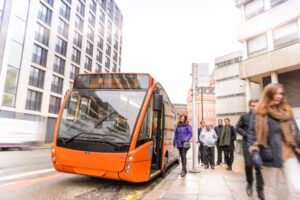
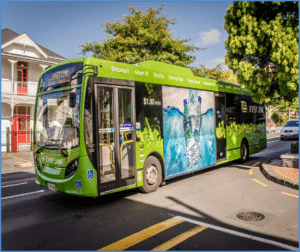
Summary: The objective of the project is to build a manufacturing and assembly line for electric buses, based in Duitama, Boyacá, contributing to the transition towards electric mobility in the country. This will be done through the construction of a manufacturing and assembly plant on its own land, which includes, among others, functional prototype manufacturing, a manufacturing warehouse, an assembly warehouse, a bus delivery area, offices and the installation of a solar photovoltaic system to supply energy to the process.
Organization: Central Hidroeléctrica de Caldas - CHEC S.A. E.S.P. BIC
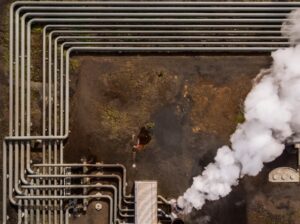
Summary: A geothermal project in the Nereidas Valley that aims to generate energy through the hot fluids of the earth's crust in the Nevado del Ruiz volcanic massif. The project is the first of its kind in Colombia and is expected to contribute to the production of 540,000 MWh/year through a renewable energy production method.
Organization: Cooperativa Colanta
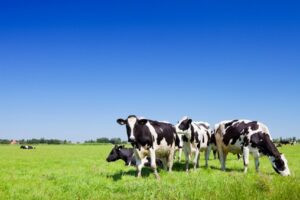
Summary: This is a comprehensive program that links the milk and meat value chains, promoting the sustainable development of livestock farming through the implementation of best practice instruments that lead to achieving a balance between economic growth, environmental sustainability and social responsibility in 7 departments of the Andean and Caribbean region, promoting regenerative cattle ranching.
Project name: Physicochemical formulation, manufacture and proof of concept of alternative fuels derived from non-usable waste (CDR) in the district of Cartagena de Indias as an environmental mechanism for the reduction of greenhouse gases GHG and contribution to the NDC of Colombia, from the cement industry.
Organization: Geofuturo S.A.S.
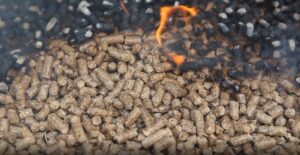
Summary: The project seeks to develop an alternative fuel material, formulated from non-usable solid waste, as well as analytical and operational management tools for pre-industrial tests applied to cement and related industries, intensive in fossil energy demand, which allow the reduction of GHG in the district of Cartagena de Indias as a contribution to the NDC of the country.

Organization: Soluna Energia S.A.S. E.S.P.
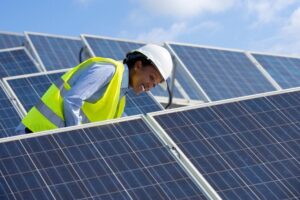
Summary: The project seeks to install single-family solar systems in 3,000 homes in the Colombian Orinoco region to guarantee access to quality energy service 24/7 at an affordable cost. The project also includes the management, operation, and maintenance of the systems to ensure their long-term sustainability.
Project name: 1,000 Housing Solutions (Integral and Sustainable Habitats) - Southwest Antioquia - Colombia, 2022-2025. SYMA. Company “BIC”.
Organization: SYMA Consultores y Constructores S.A.S. BIC
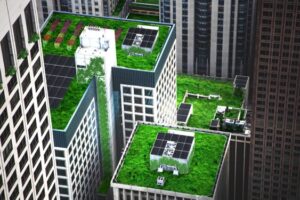
Summary: The project seeks the construction of 1,000 integral habitat solutions with sustainability criteria in Southwest Antioquia, aligned with the needs set out in public housing policy and the 2030 Agenda. These solutions will generate economic, social and environmental benefits and impacts and in turn will reduce 50% of the housing deficit in the region.

Organization: Unergy S.A.S.
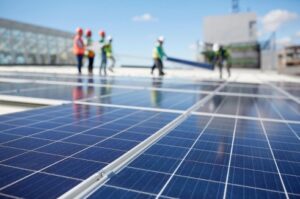
Summary: This project aims to install 16 mini solar farms with a capacity of 1 MW each in different rural populations of the country. The mini solar farms will operate as distributed generators connected to the national interconnection system and will sell the energy generated to the local grid.