
Bogotá, May 2026. Colombia is home to more than half of the edible plant species known to humanity. Yet, out of the 3,805 species identified within its territory, only 198 are currently consumed or commercially used. The rest remain ignored, underutilized, or forgotten.
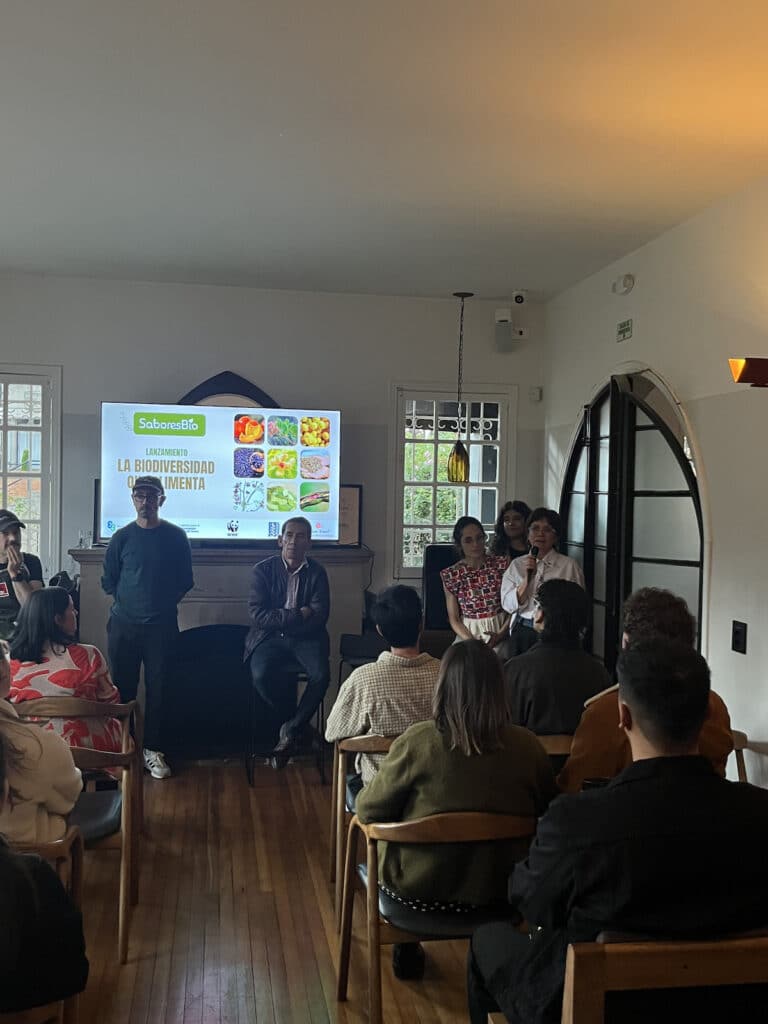
Starting from this reality, the Sabores Bio platform launches “The Biodiversity That Nourishes”, a new section dedicated to highlighting the ingredients, species, and food knowledge that are part of the country’s immense biocultural richness.
Scientific evidence (Royal Botanic Gardens, Kew, 2022) reveals the scale of Colombia’s food biodiversity:
- Of the 7,039 edible plant species registered worldwide, 3,805 are found in Colombia — more than half.
- 73.8% of these species are native to the country.
- 146 species (3.8%) are endemic and exist nowhere else on Earth.
- Colombia ranks fourth among the world’s most biodiverse countries.
Globally, the situation also reflects a dramatic loss of food diversity:
- Humanity could feed itself from up to 30,000 edible species, yet currently relies on around 200.
- Three crops — rice, wheat, and corn — provide more than 50% of the calories consumed worldwide.
These figures highlight the urgent need to recover, value, and diversify food biodiversity as a foundation for more diverse, resilient, and regenerative food systems.
Within this context, “The Biodiversity That Nourishes” was created as an initiative to reconnect people with ingredients, species, and culinary traditions that represent an opportunity to transform the relationship between food, territory, and biodiversity.
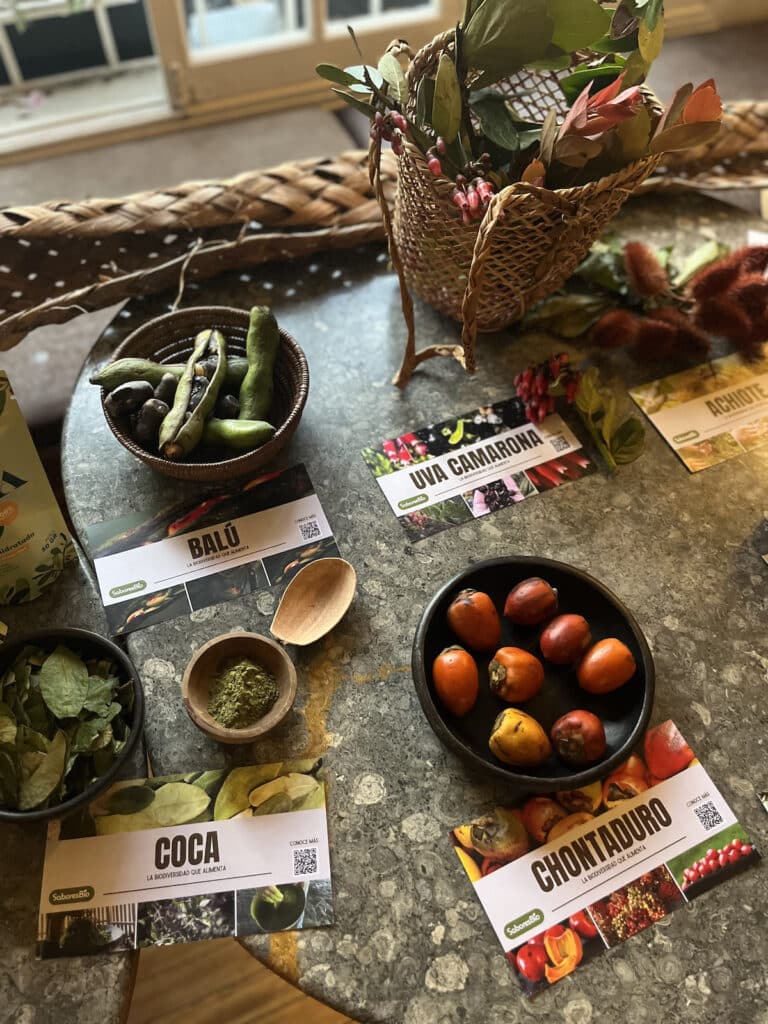
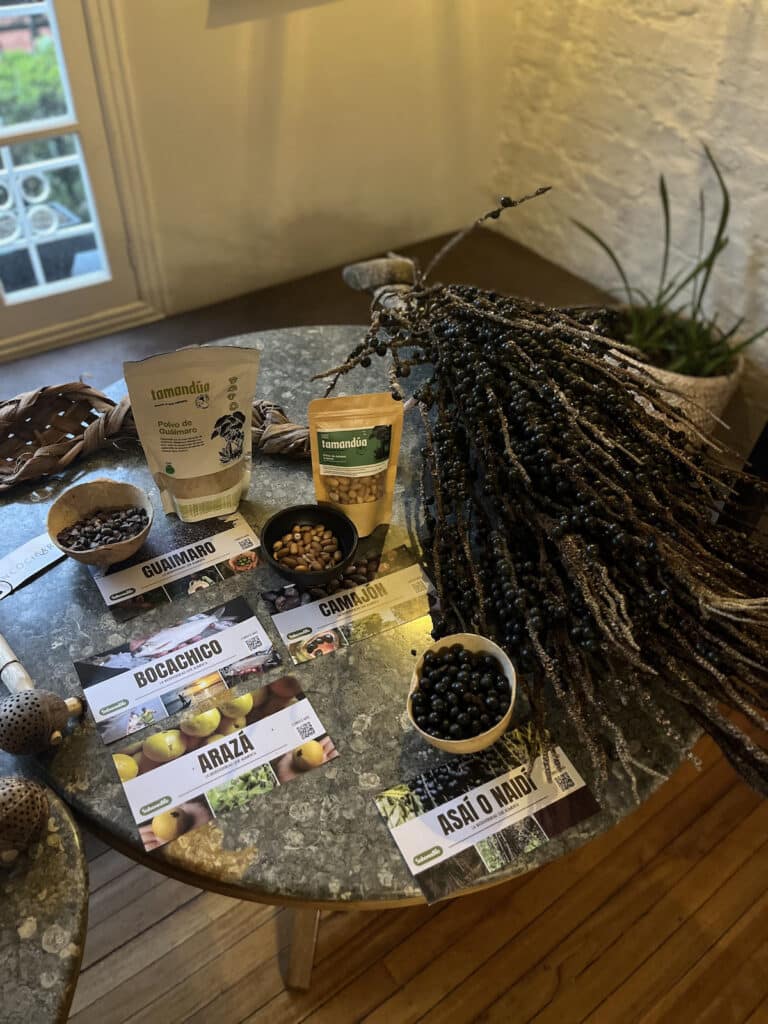
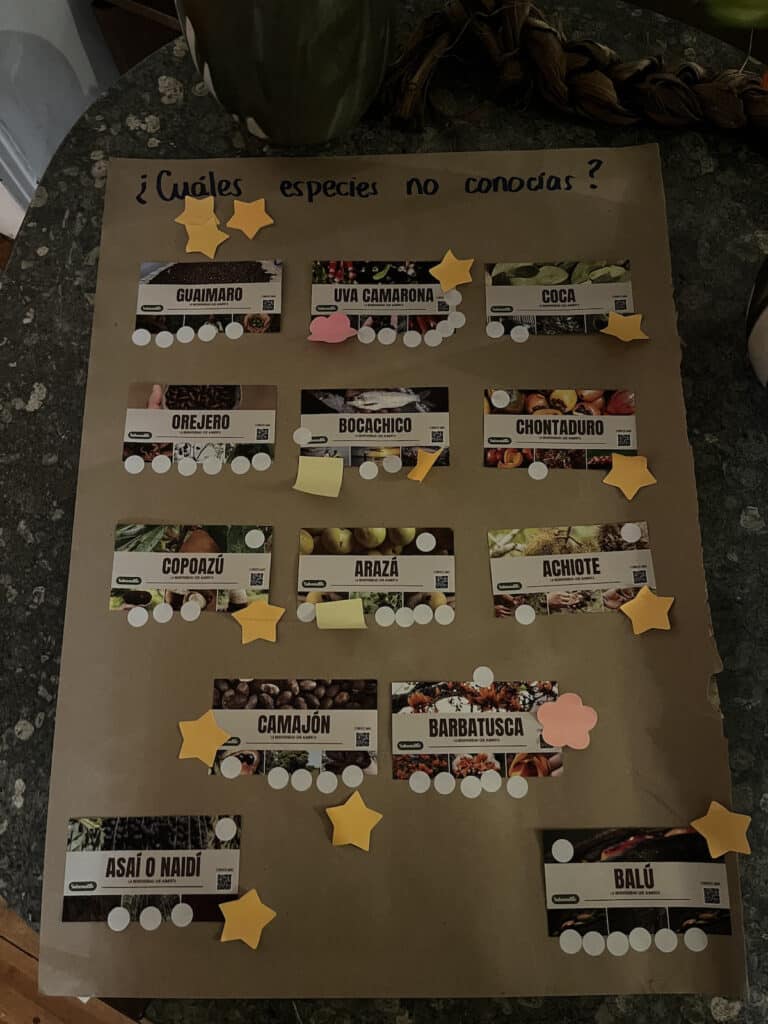
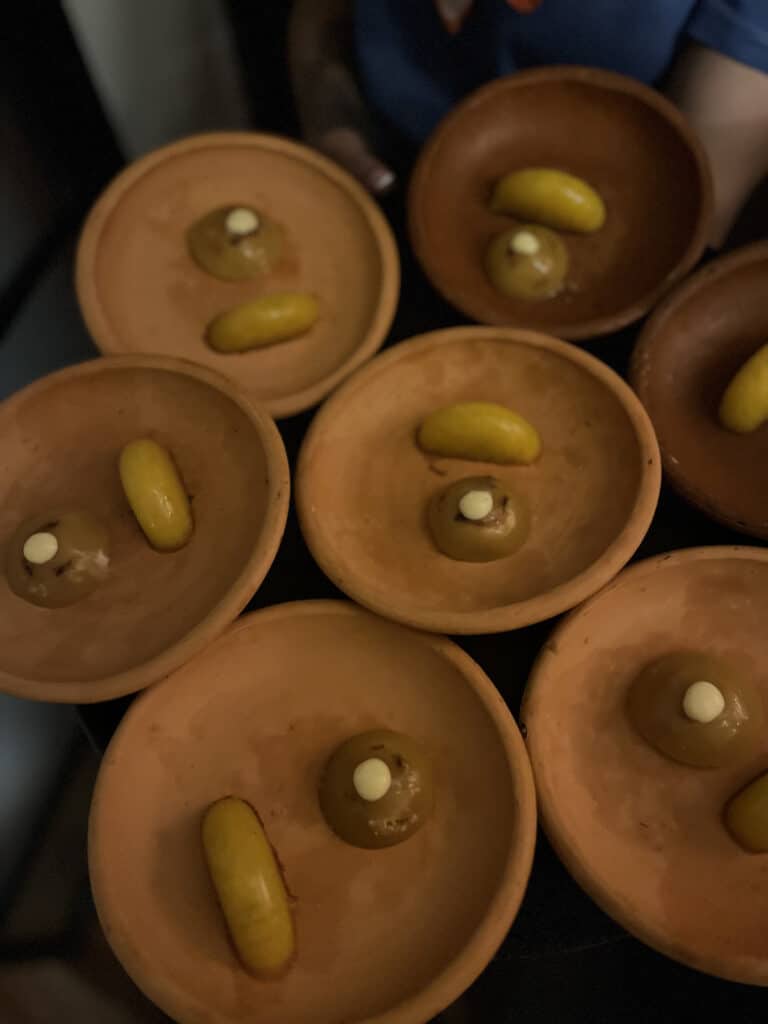
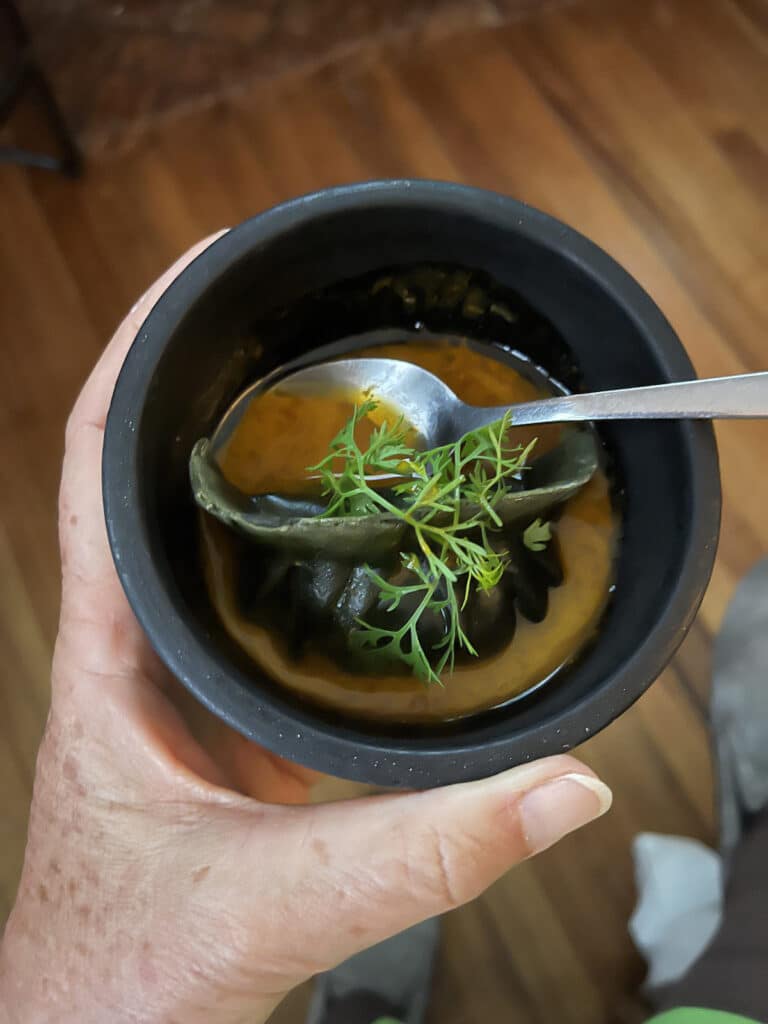
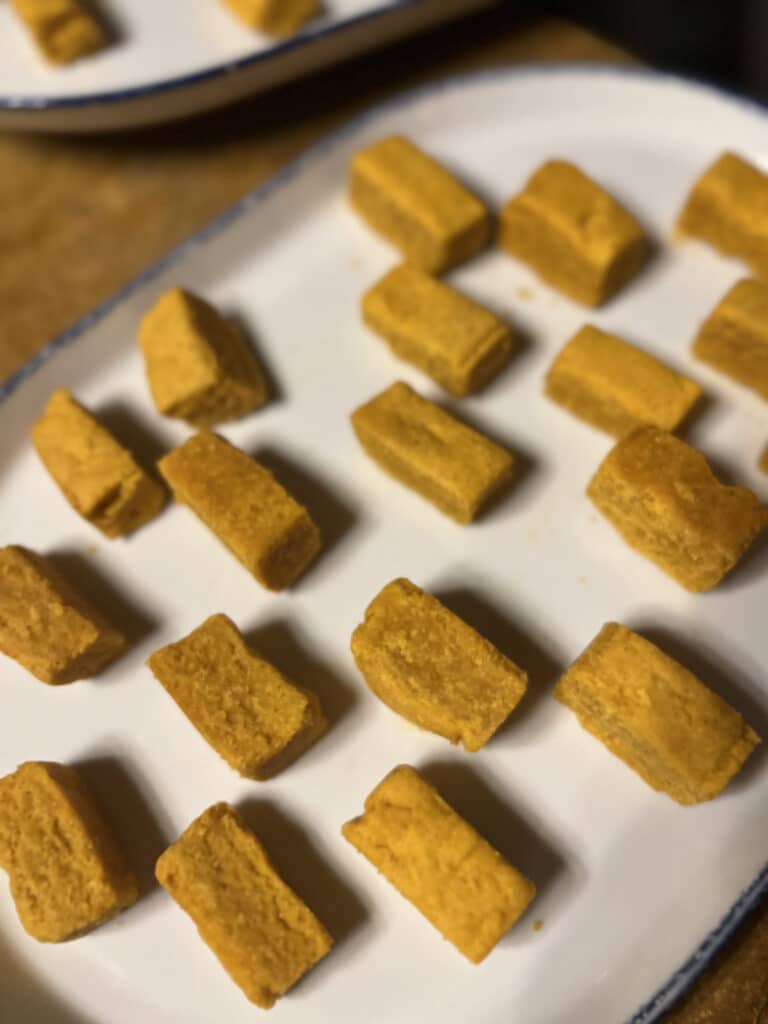
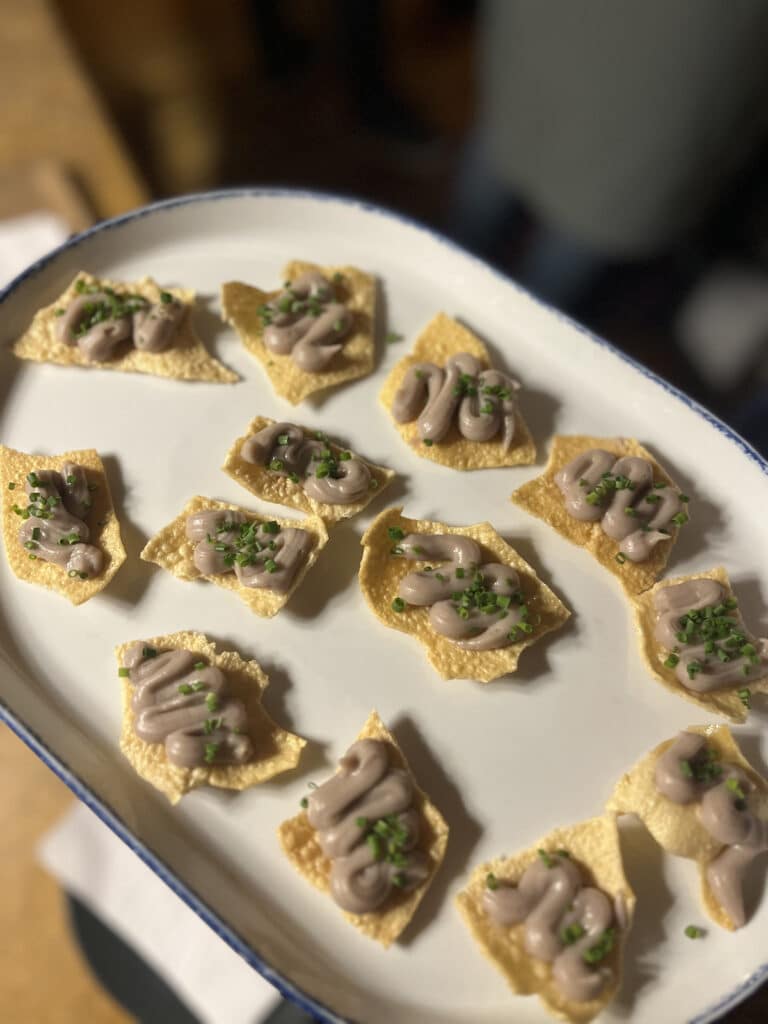
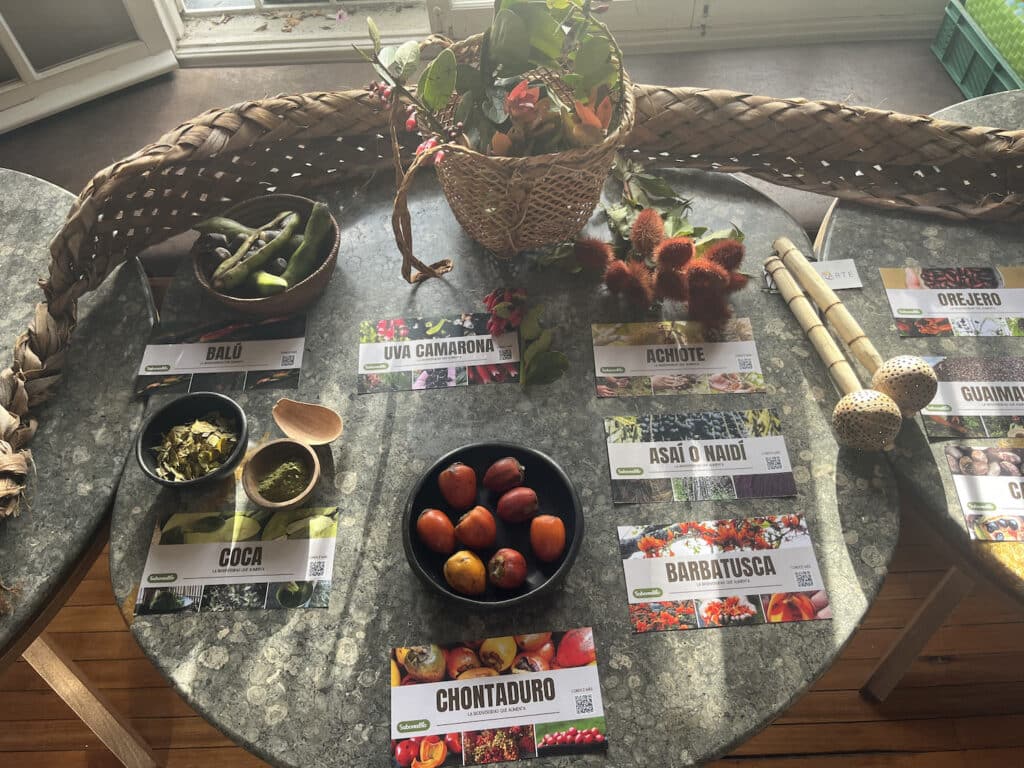
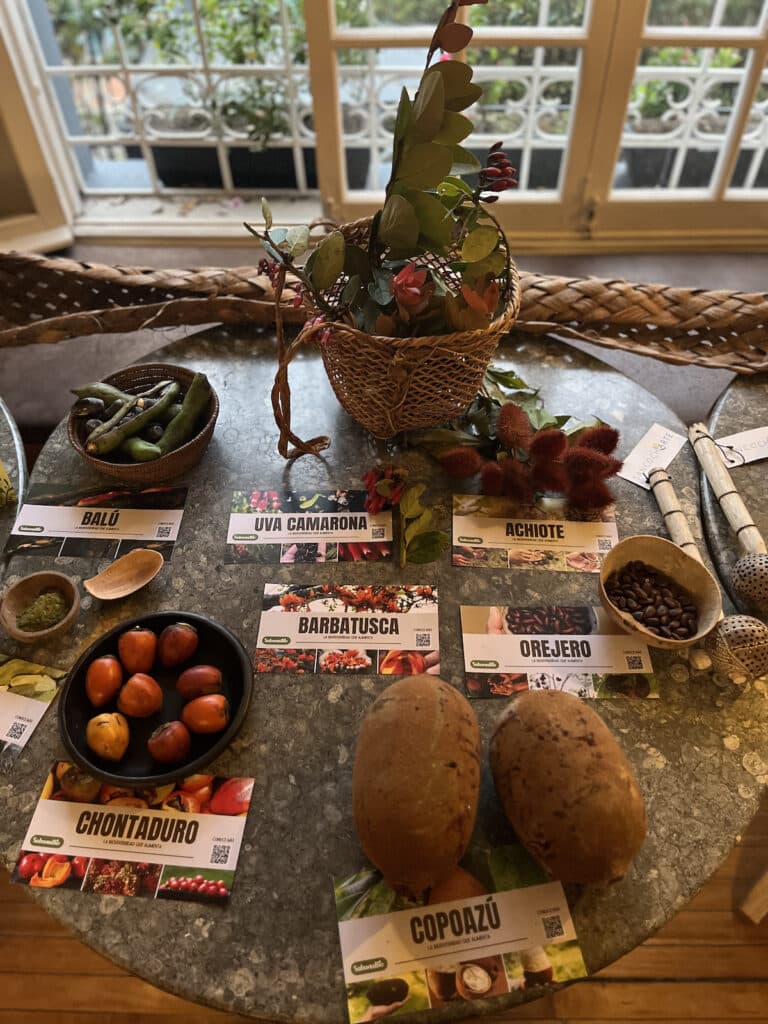
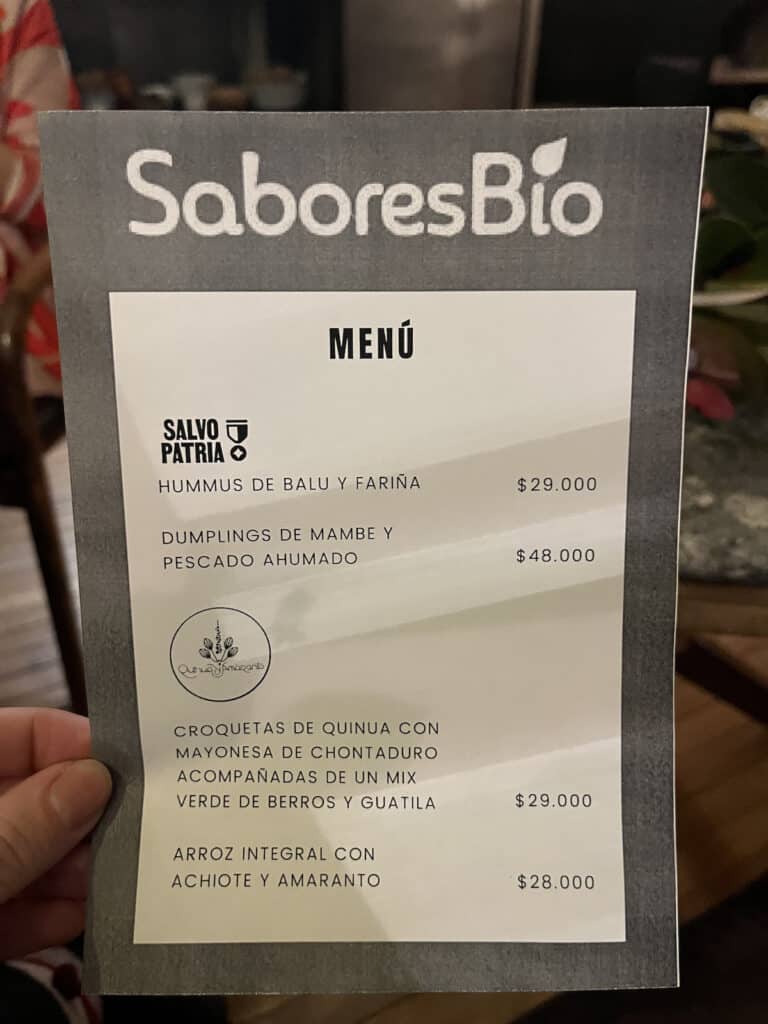
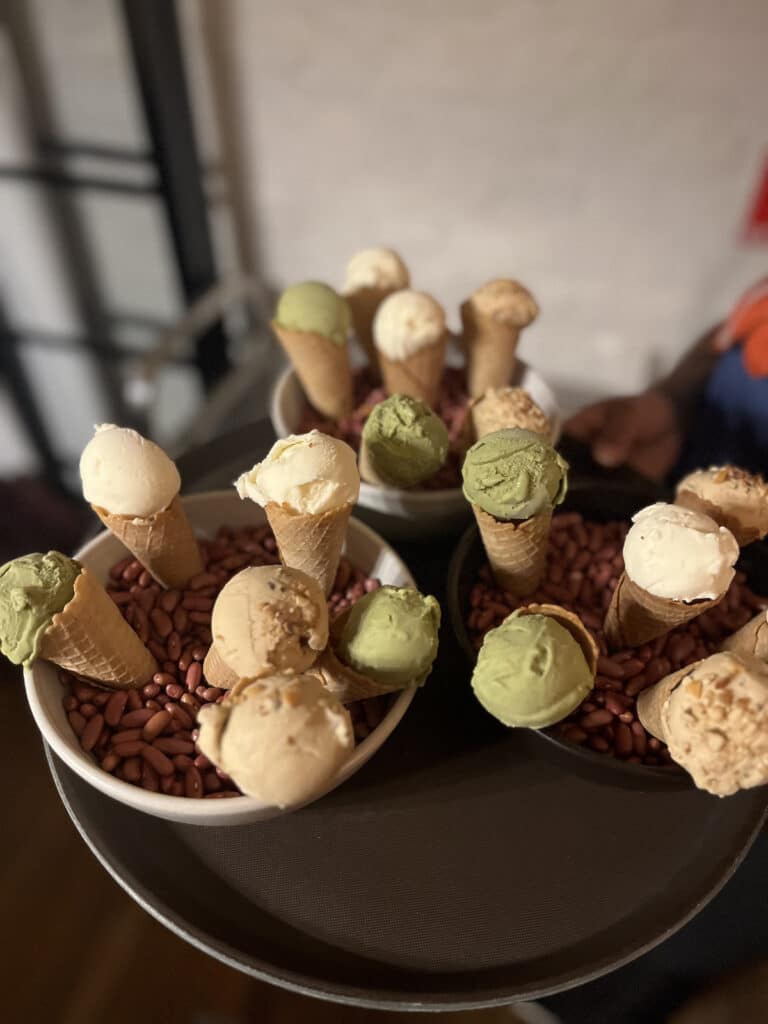
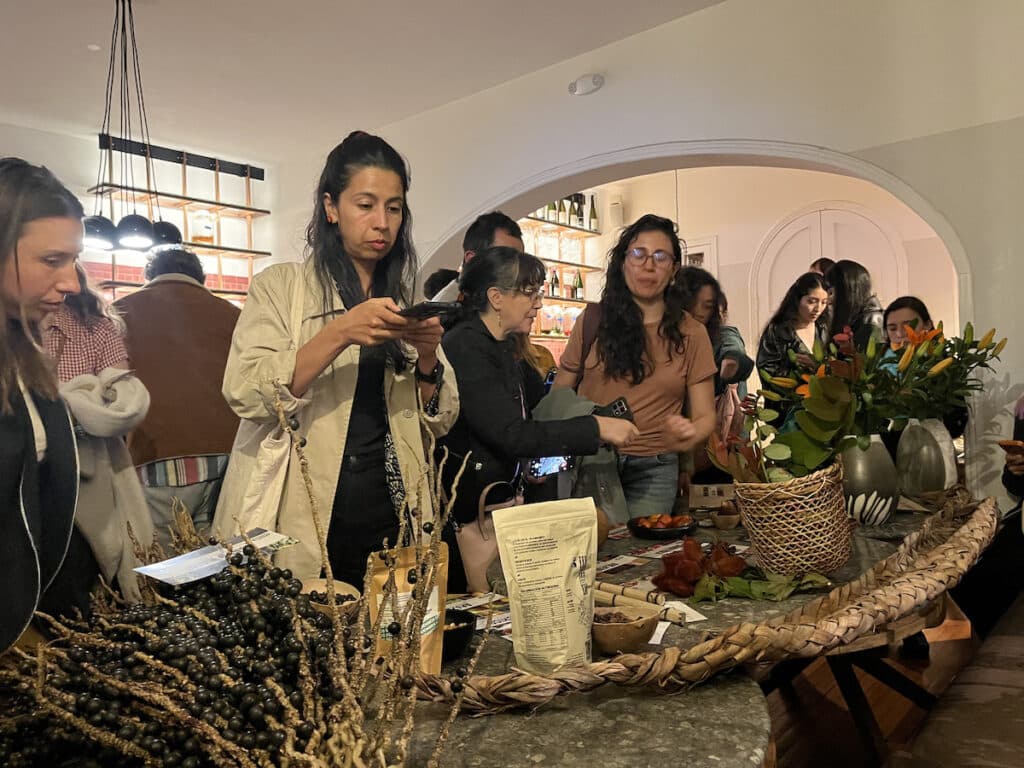
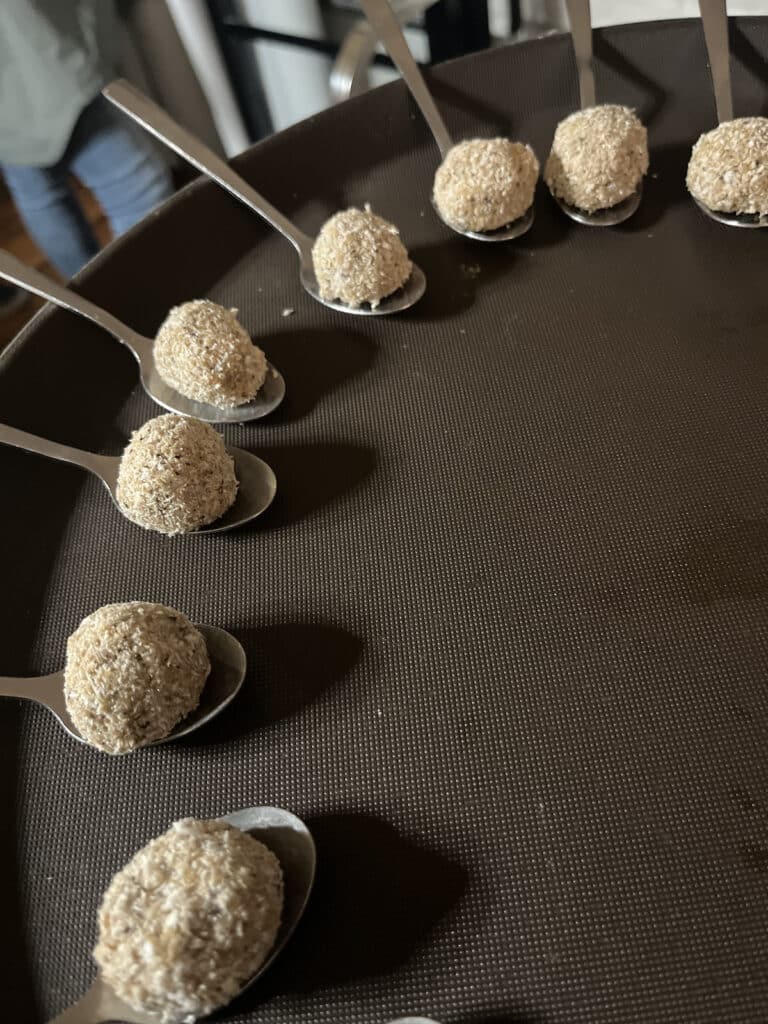
For this first edition, the platform highlights the richness of species and ingredients such as barbatusca, achiote, uva camarona, copoazú, coca, chontaduro, balú, açaí or naidí, arazá, bocachico, orejero, guáimaro, and camajón — foods that reflect the country’s biological and cultural diversity, as well as the ancestral knowledge, productive practices, and culinary traditions that have preserved them across generations.
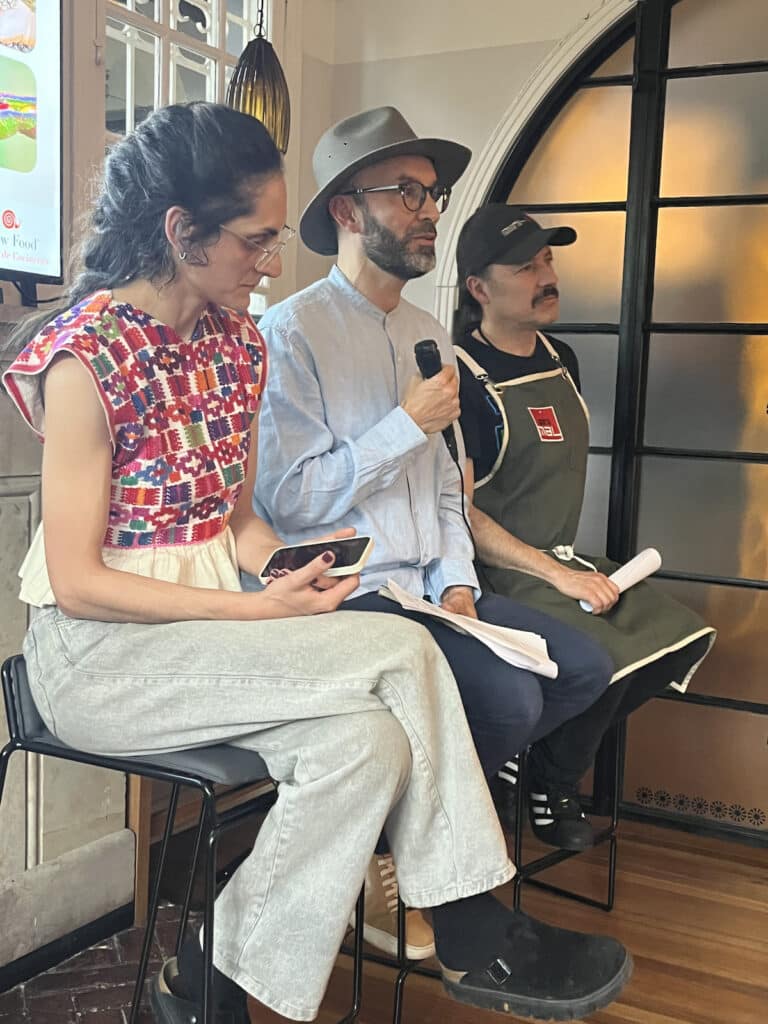
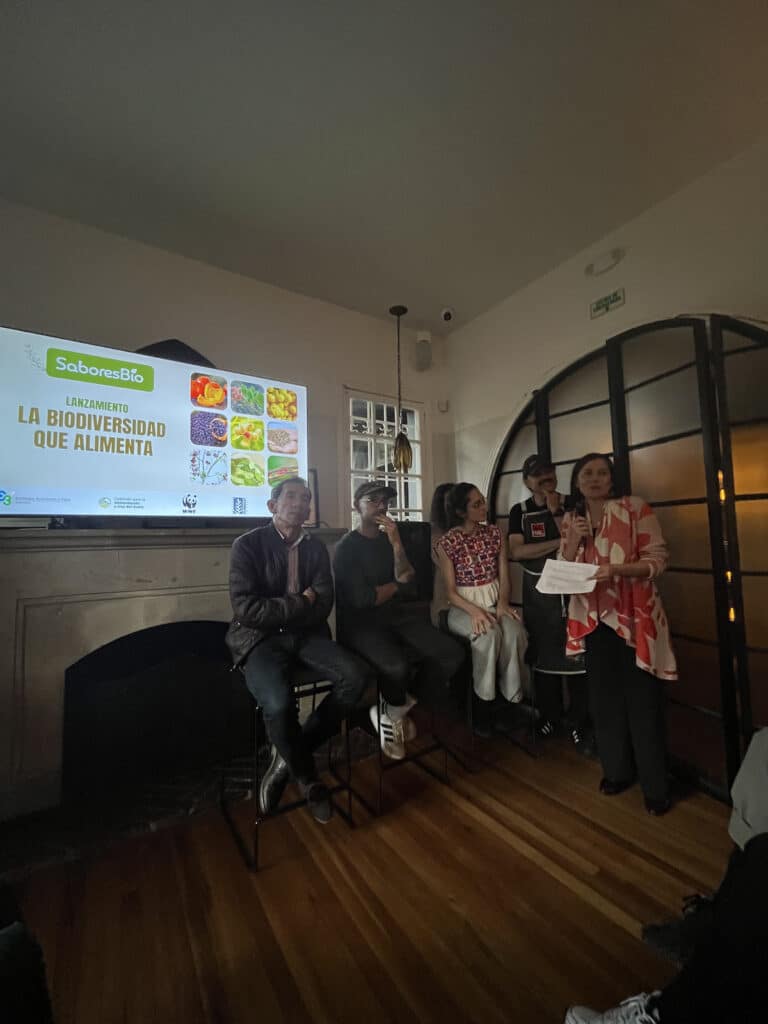
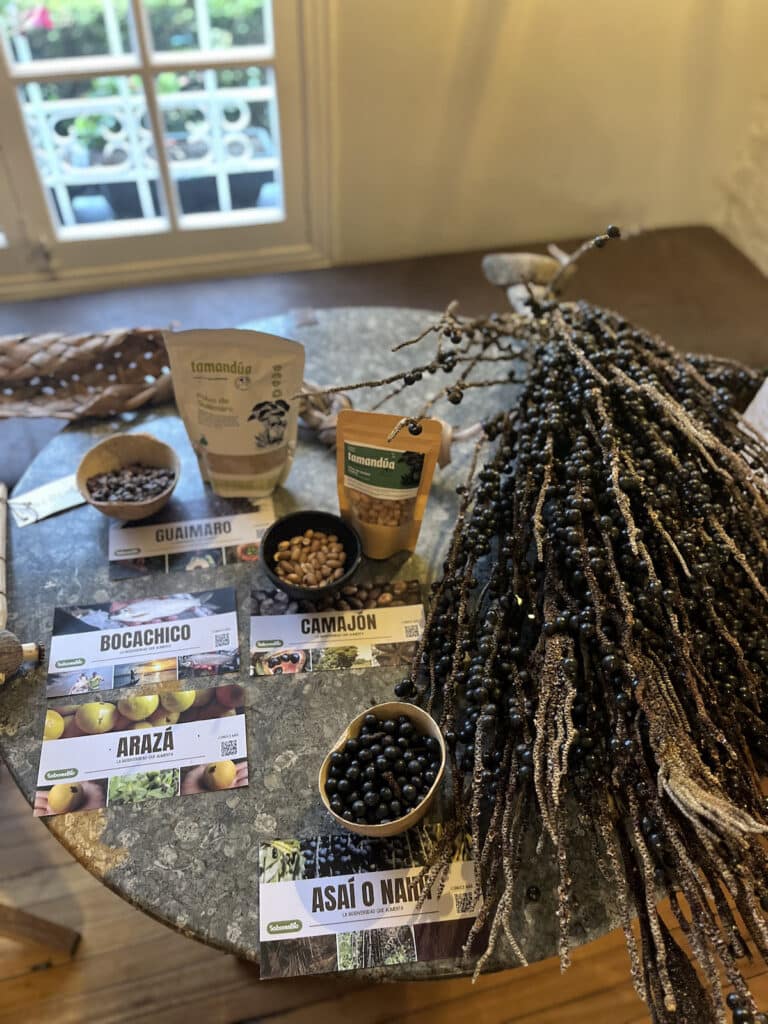
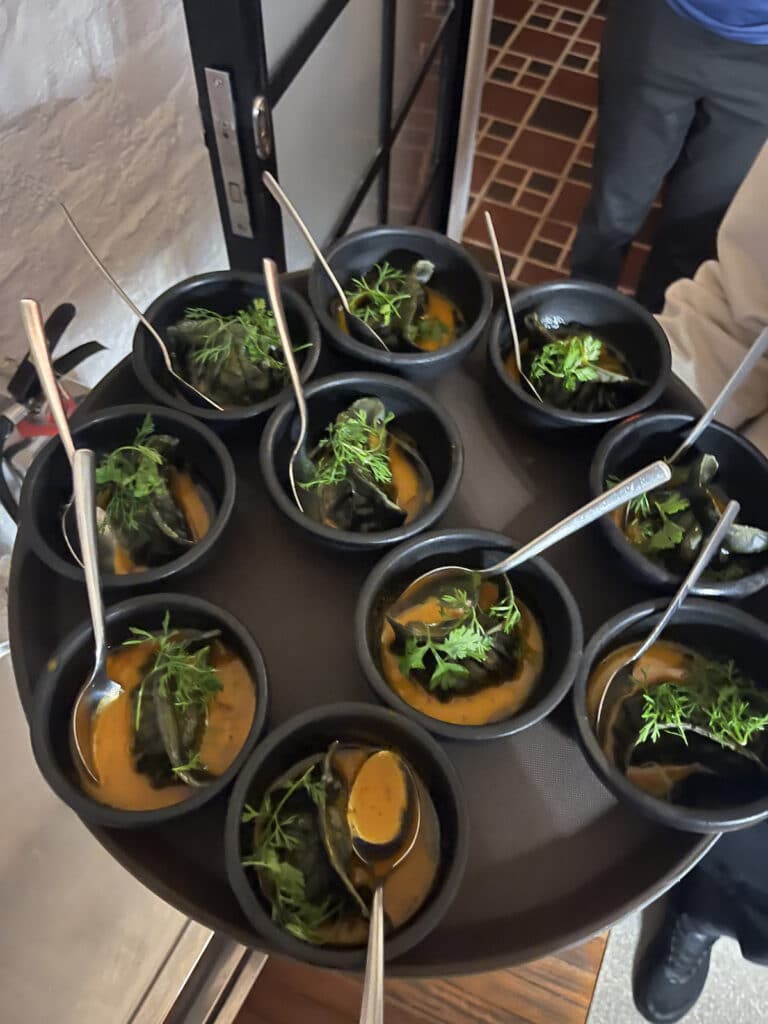
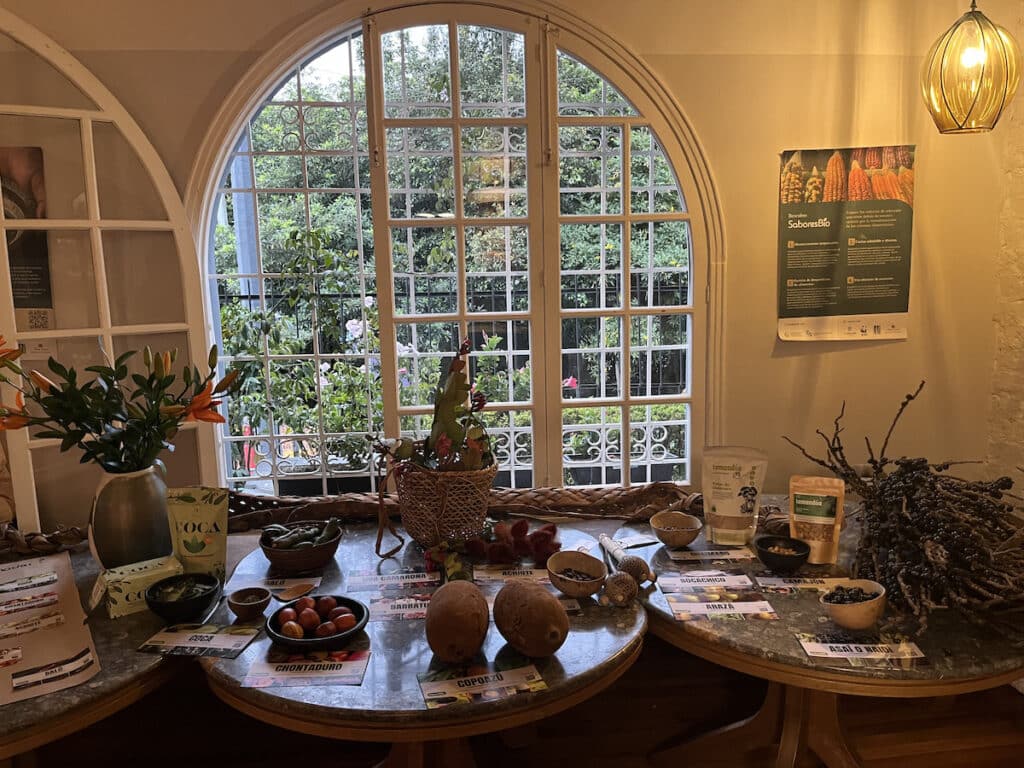
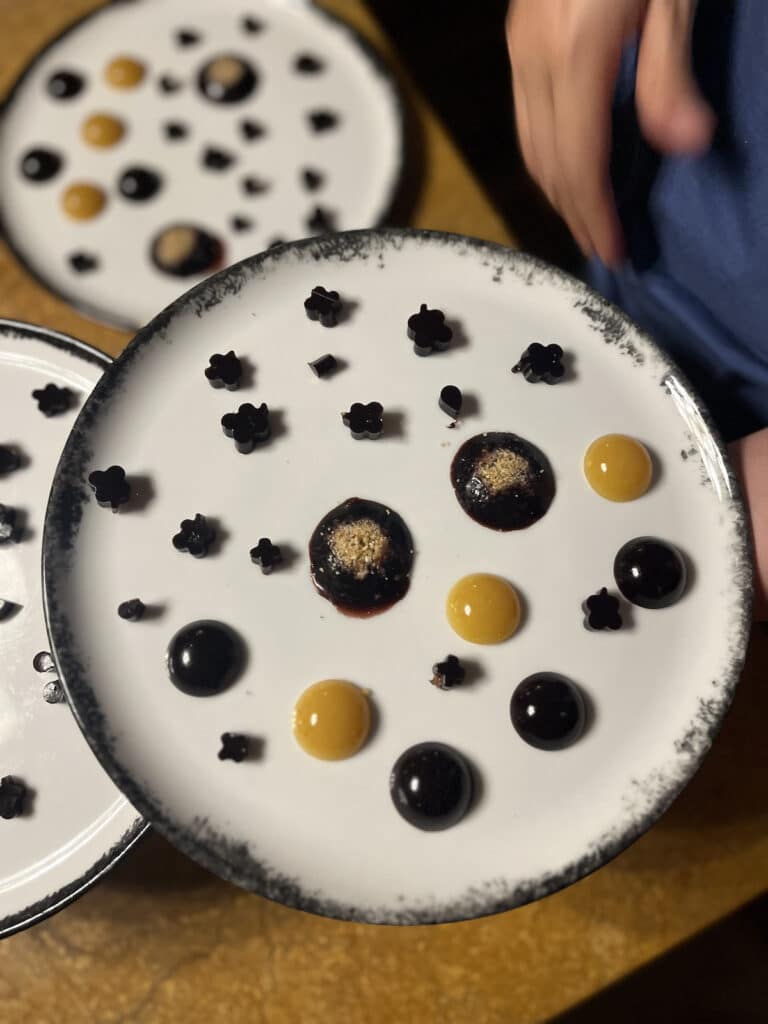
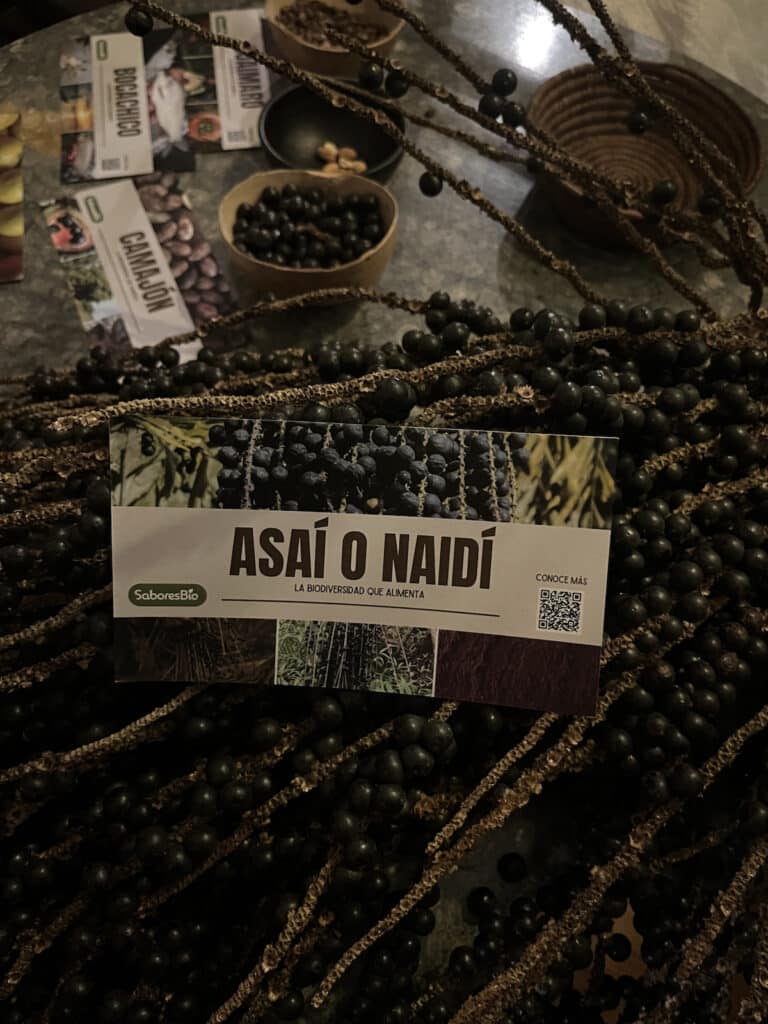
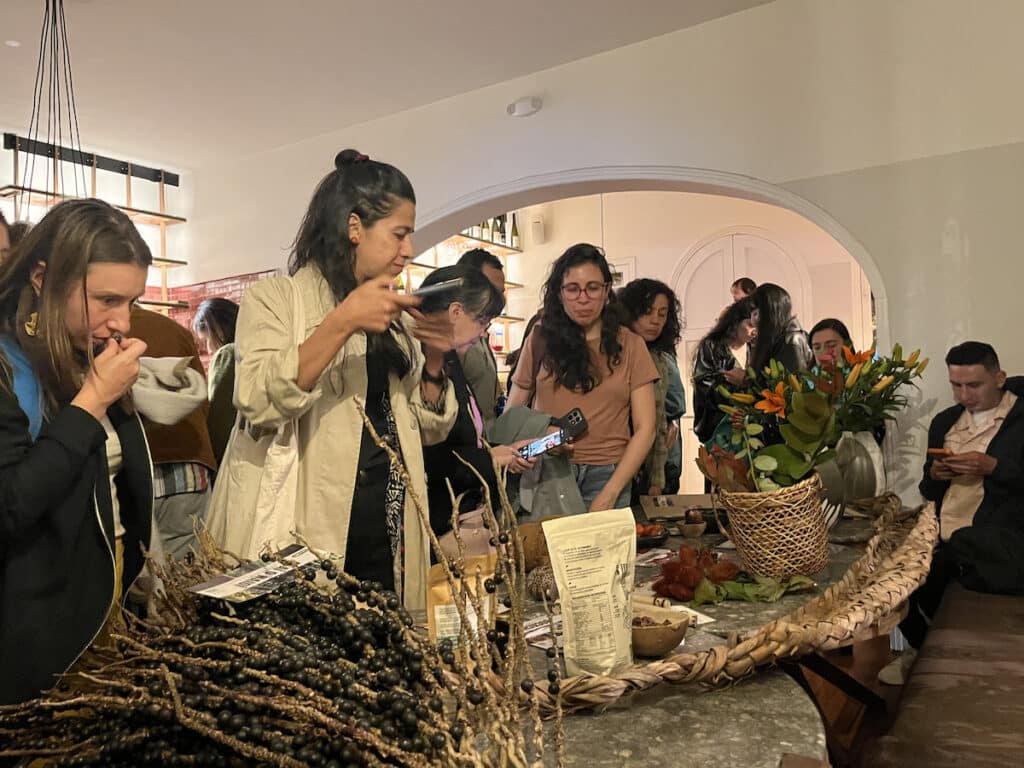
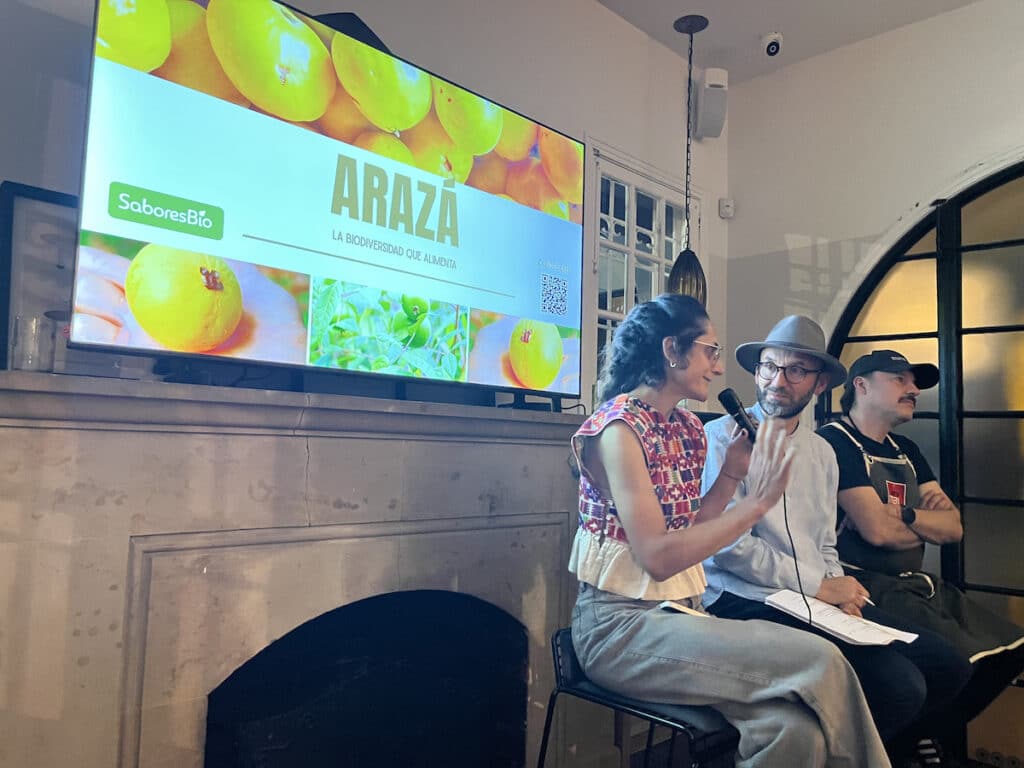
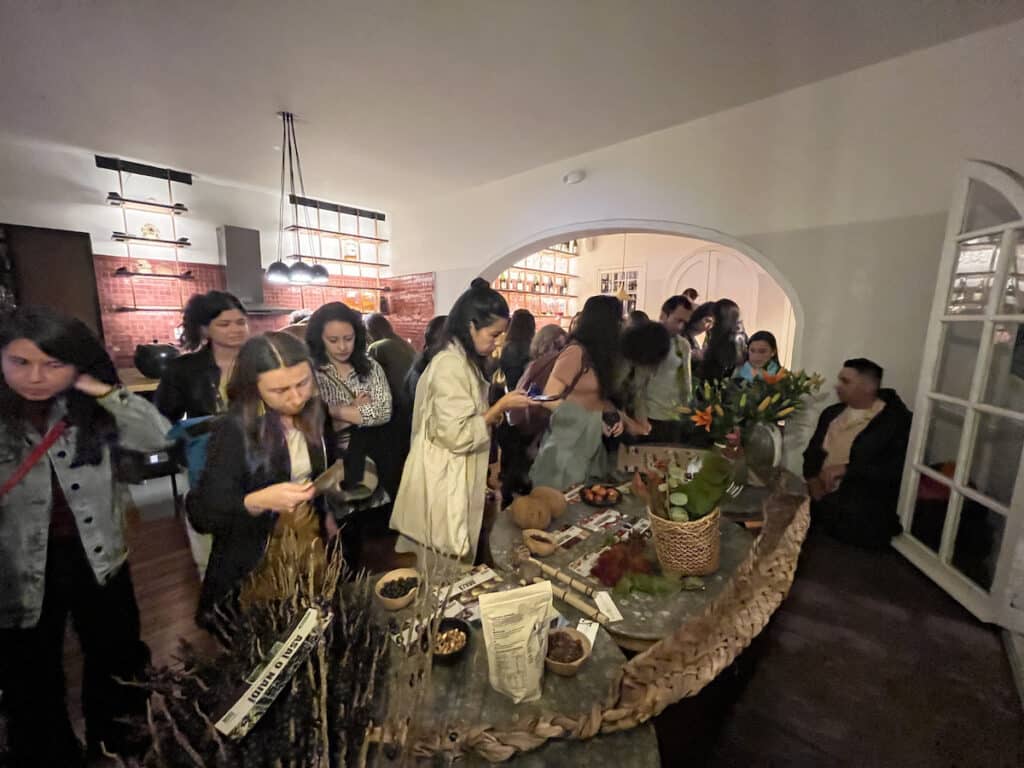
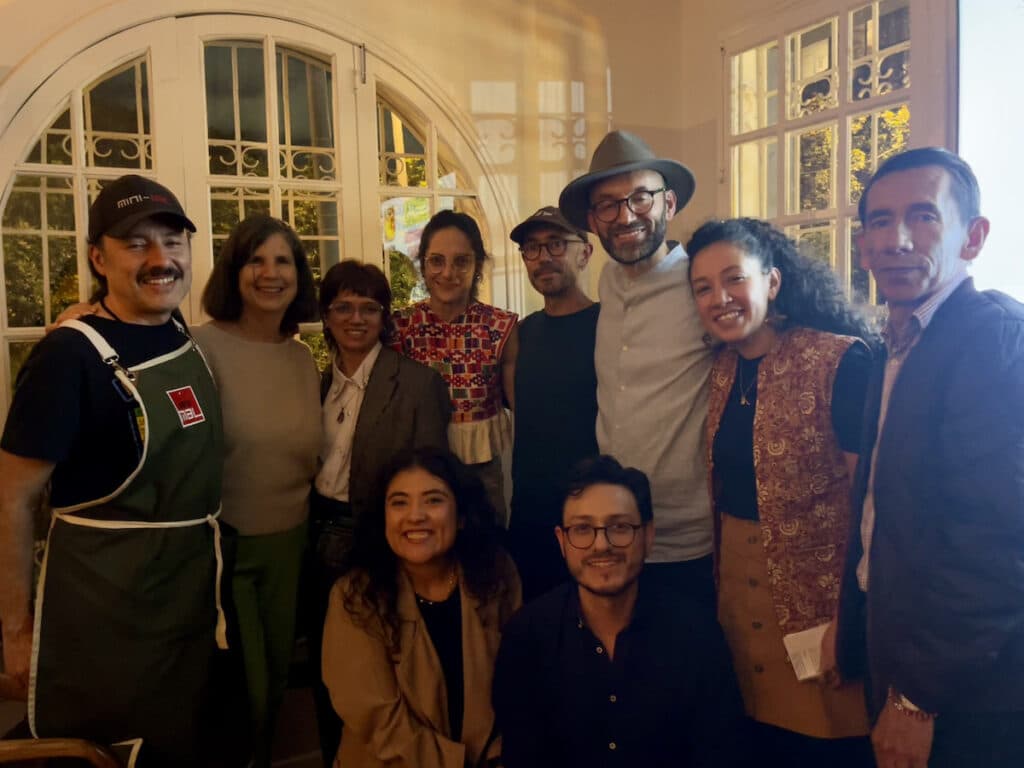
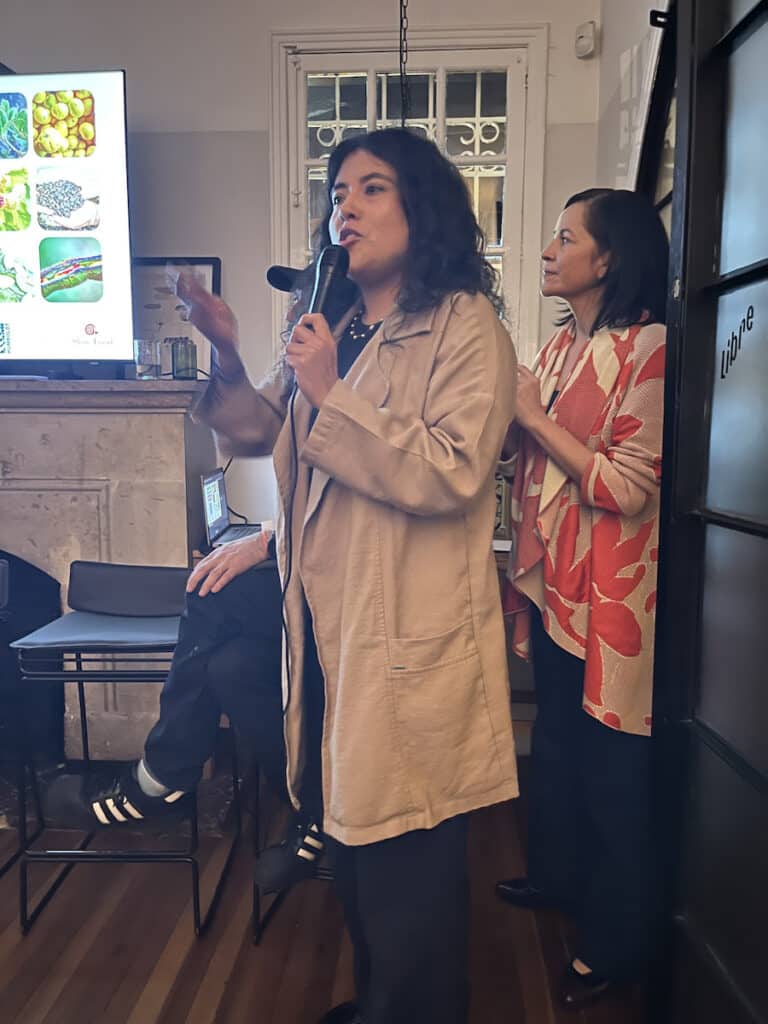
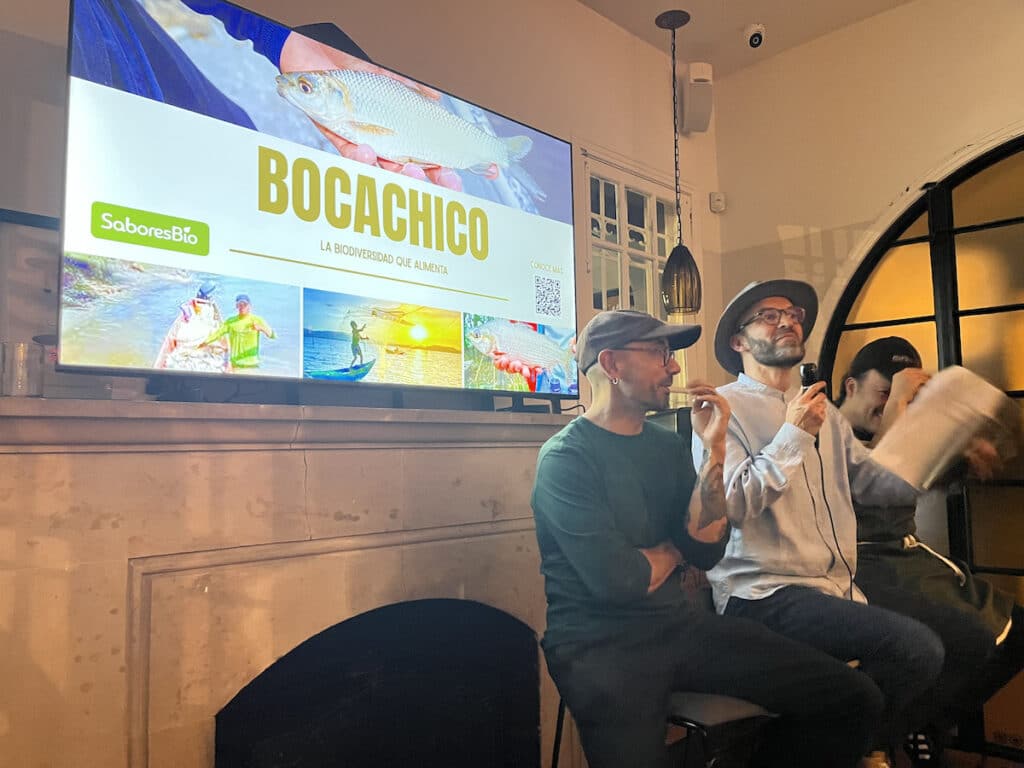
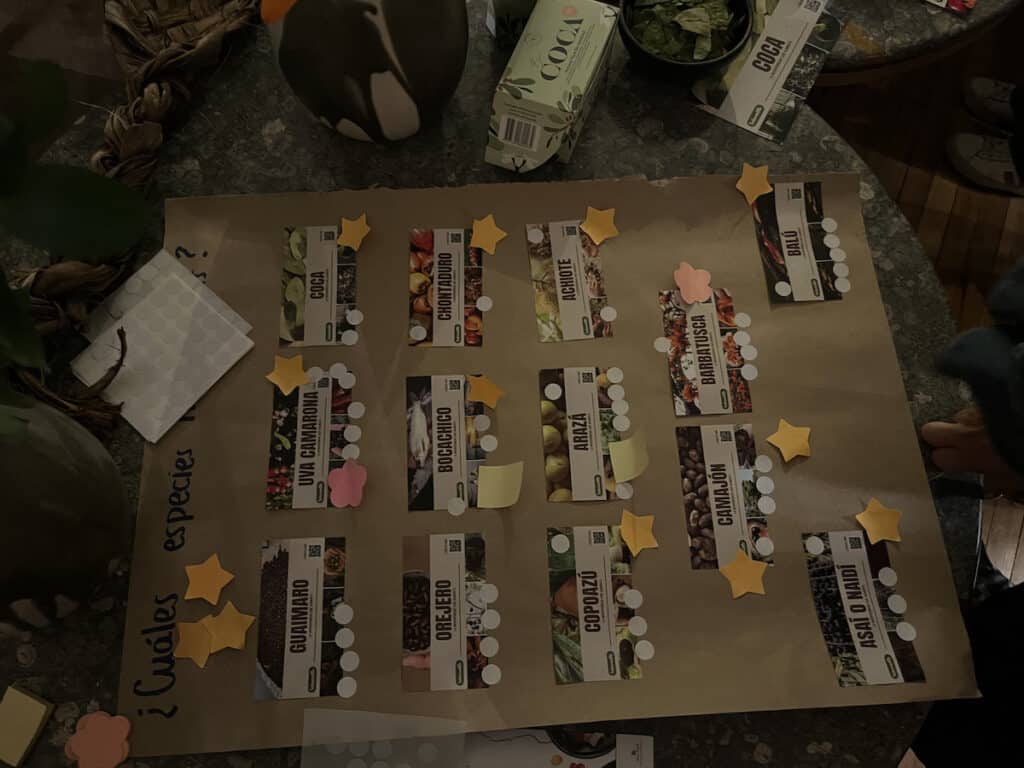
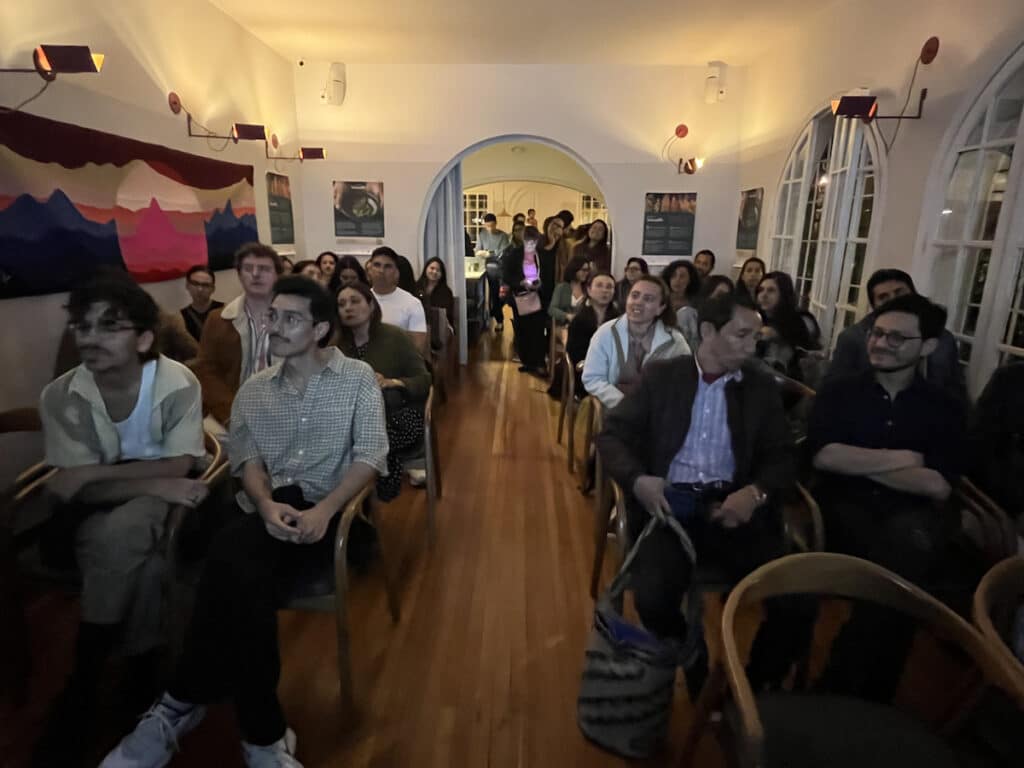
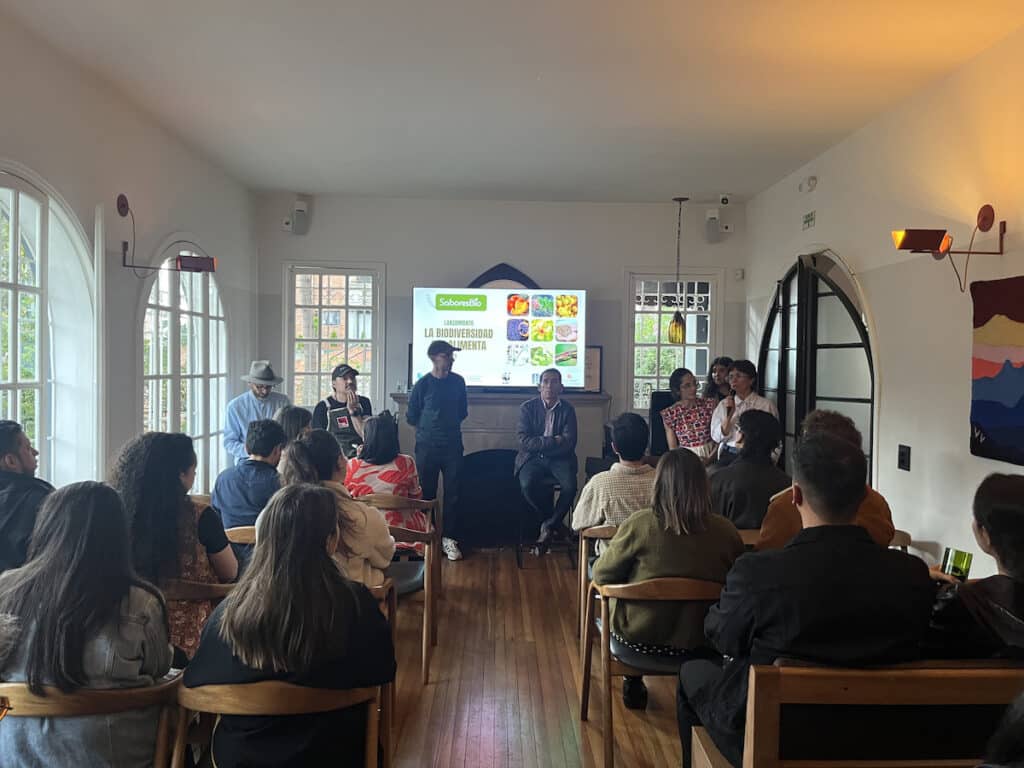
What is Sabores Bio?
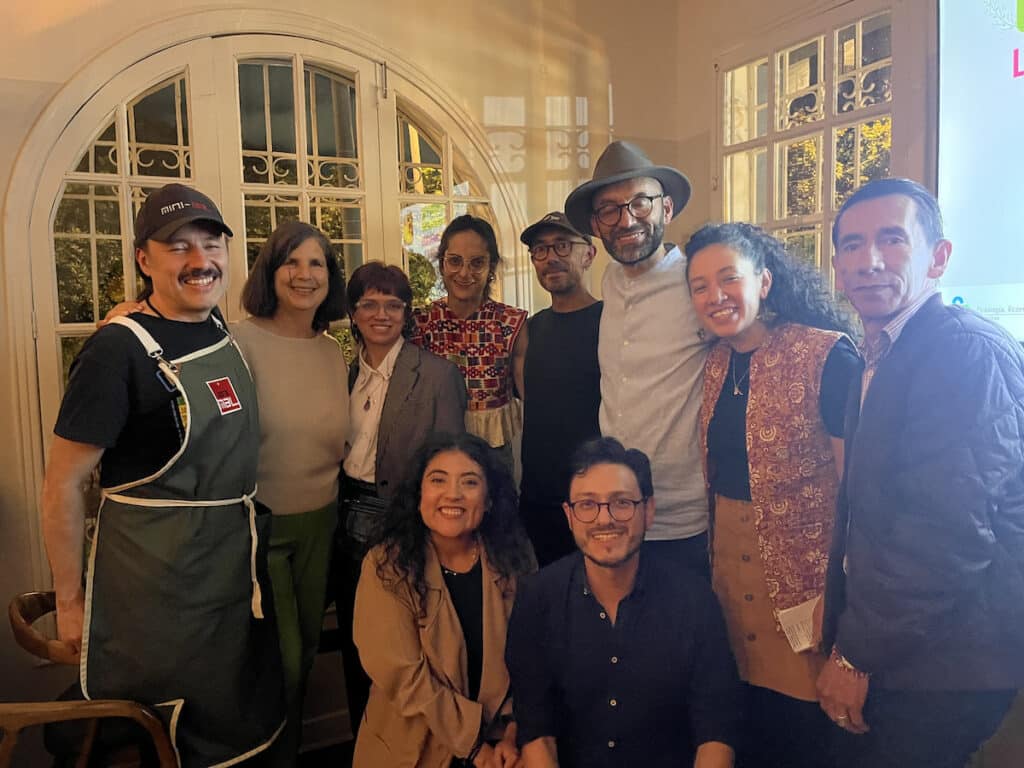
“The Biodiversity That Nourishes” is part of Sabores Bio, an open platform that connects restaurants, suppliers, and diners committed to transforming the way food is produced, cooked, and consumed. The initiative seeks to spotlight kitchens and culinary projects that contribute to human well-being, planetary health, and territorial regeneration.
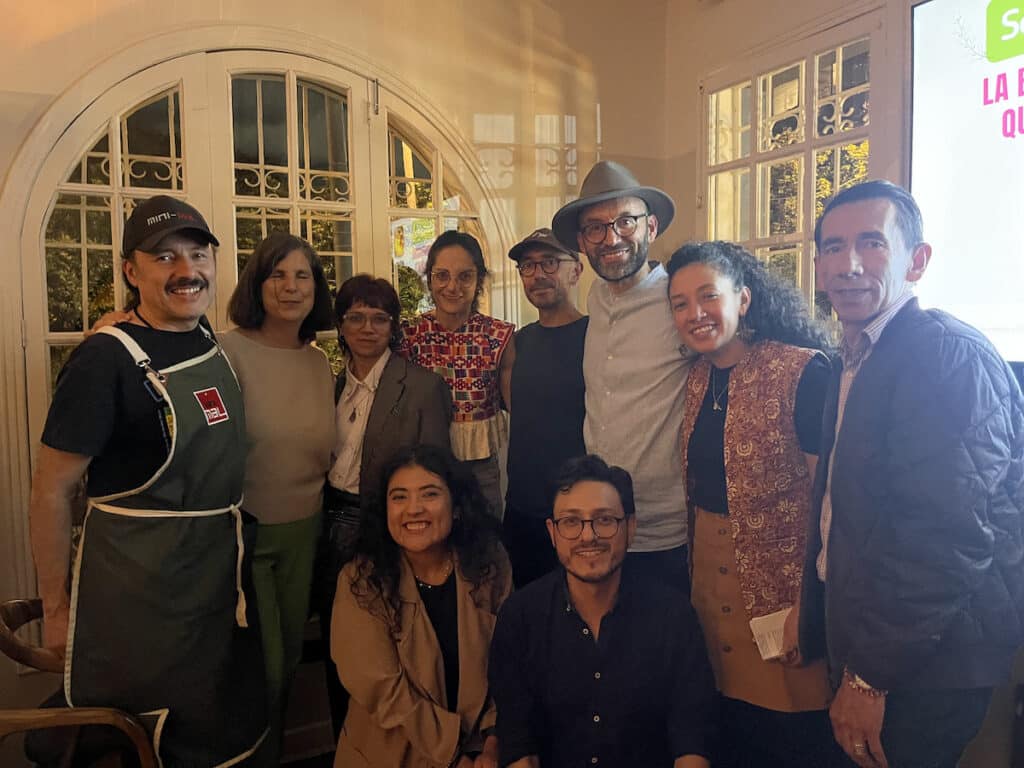
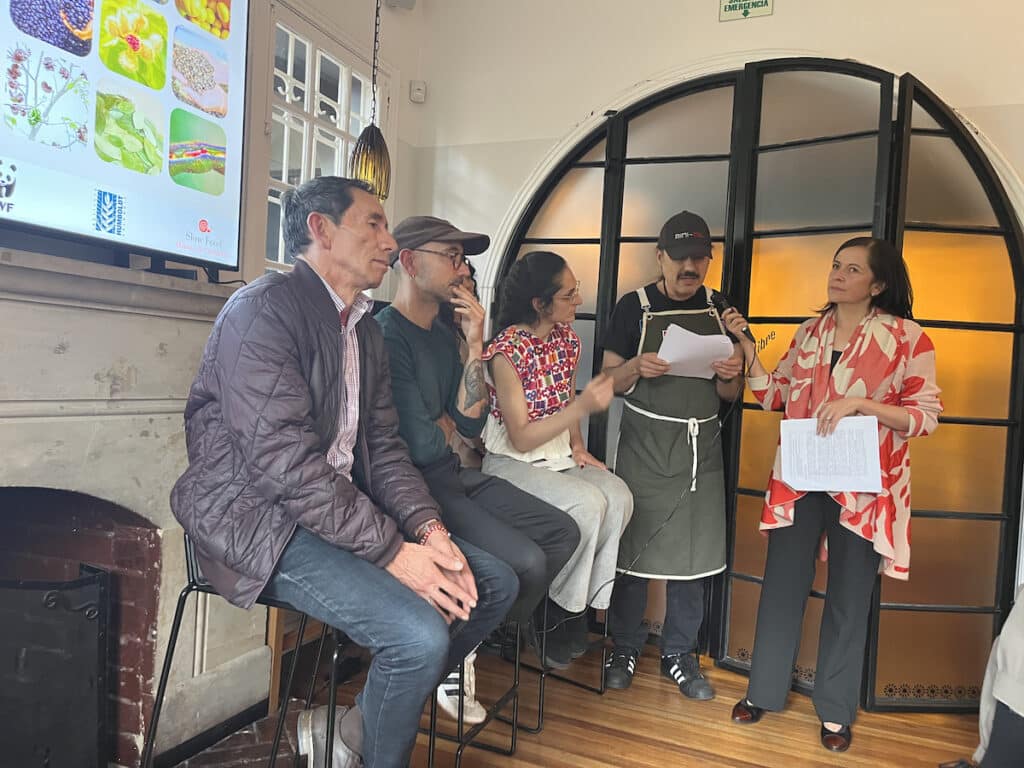
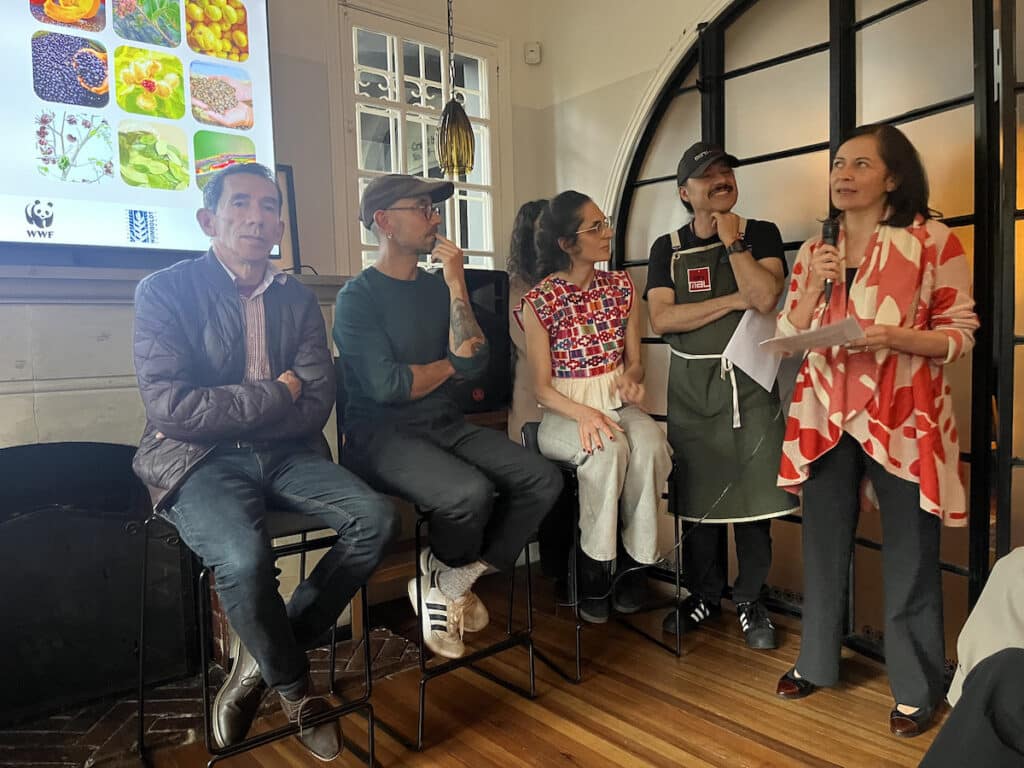
Sabores Bio operates as a shared governance platform, co-led by chefs, the Food and Land Use Coalition (FOLU Colombia), E3 – Ecology, Economy and Ethics, the Ministry of Culture, the Humboldt Institute, WWF Colombia, and Slow Food through collaborative processes aimed at strengthening food culture, biodiversity, and territorial regeneration.
Gastronomy as a Tool for Transformation
With the launch of “The Biodiversity That Nourishes,” Sabores Bio reaffirms its commitment to positioning gastronomy as a tool for conservation and cultural transformation — connecting more people with Colombia’s food richness and with the communities that preserve it across the territories.
Claudia Martínez, director of E3 – Ecology, Economy and Ethics and FOLU Colombia:
“We have an extraordinary pantry, and we are letting it disappear. Sabores Bio invites people to discover our biodiversity, value it, and reconnect food with territories, traditional knowledge, and biodiversity. Cuisine is one of the most powerful bridges between people and biodiversity, and also a key tool for transforming food systems toward more diverse, resilient, and regenerative models.”
Klaudia Cárdenas B., researcher at the Center for Social Appropriation focused on socio-ecological restoration, livelihoods, and culinary ecosystems at the Humboldt Institute:
“Every native ingredient, every food practice, and every culinary tradition strengthens the integral management of biodiversity and keeps biocultural relationships between communities and ecosystems alive. Protecting Colombia’s knowledge and flavors also means safeguarding the biocultural heritage that expresses our diversity, our memory, and our ways of inhabiting the territory.”
Liliana Vargas, member of the Latin America and Caribbean office team of Slow Food and executive secretary of the network in Colombia:
“Colombia is an extremely biodiverse country with immense potential to feed everyone through its biodiversity. However, in recent years, our diets have been reduced to a limited number of foods. We have also become highly dependent on imported products, while our markets are flooded with ultra-processed foods. This discourages farmers from cultivating and limits our ability to nourish ourselves through our own biodiversity.”